About This Tour
This 6-Day Serengeti Migration & Coffee Tour is a sensory journey designed for those who appreciate both the raw power of the wild and the refined culture of Tanzania’s highlands. This itinerary blends high-octane wildlife tracking in the Serengeti with an immersive, “bean-to-cup” coffee experience.
Trip Highlights
- The Migration Hunt: Spend three days deep in the Serengeti, tracking the thundering herds of wildebeest and the big cats that follow them.
- Coffee Estate Experience: Walk through lush, evergreen coffee plantations in Arusha or Karatu to learn the traditional methods of growing, roasting, and brewing world-class Arabica beans.
- The Ngorongoro Wonders: Descend into the Ngorongoro Crater to check off the "Big Five" in a single day within the world’s largest intact caldera.
- Cultural Immersion: Engage with local farmers and artisans, discovering how coffee heritage has shaped the communities of Northern Tanzania.
Itinerary
The 6-Day Serengeti Migration & Coffee Tour is a unique, sensory-focused safari that combines Tanzania’s legendary wildlife with its rich agricultural heritage. This itinerary is designed for travelers who want to witness the thundering herds of the Great Migration while also experiencing the "bean-to-cup" journey of Africa's finest Arabica coffee.
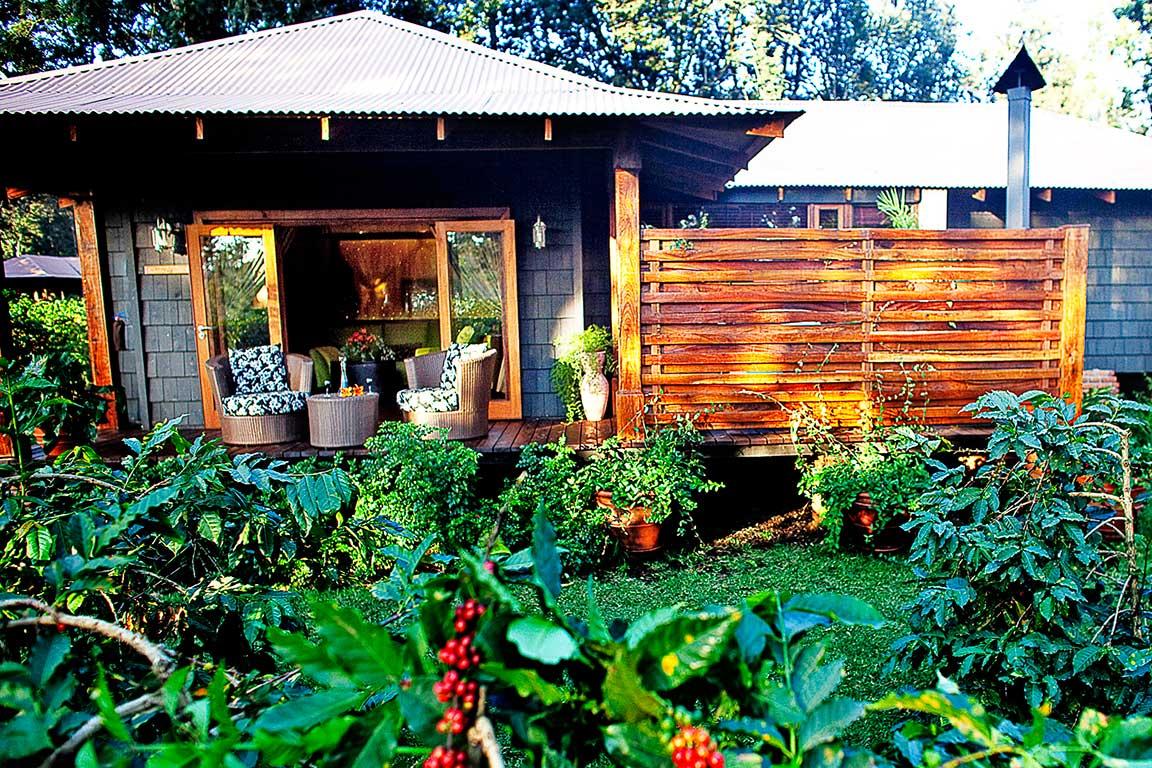
Upon arrival in Arusha, your journey begins at the elegant Arusha Coffee Lodge, located on one of Tanzania's largest coffee estates.
- Coffee Plantation Tour: Embark on a sensory walking tour through the evergreen coffee bushes. Learn how the "cherries" are nurtured, harvested, and dried.
- The Ritual: Experience the roasting process firsthand and conclude with a professional cupping session, identifying the fruity and chocolatey notes of fresh Tanzanian Arabica.
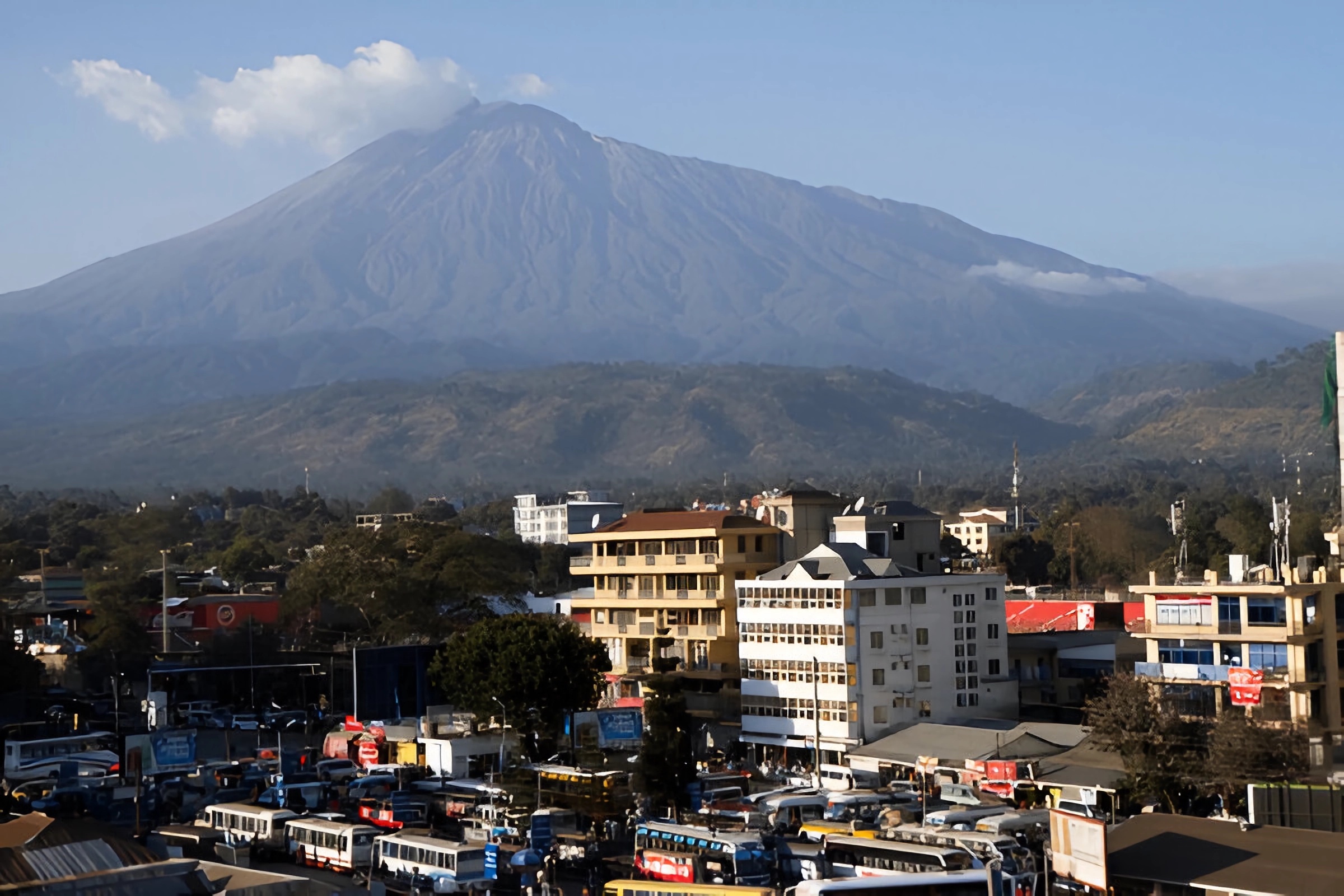
- Evening: Relax in your plantation-style room with views of Mount Meru.
Skip the long drive and board a domestic flight to the Seronera Airstrip, landing in the heart of the Serengeti.
- Afternoon Game Drive: Explore the Seronera Valley, world-famous for its high density of predators.
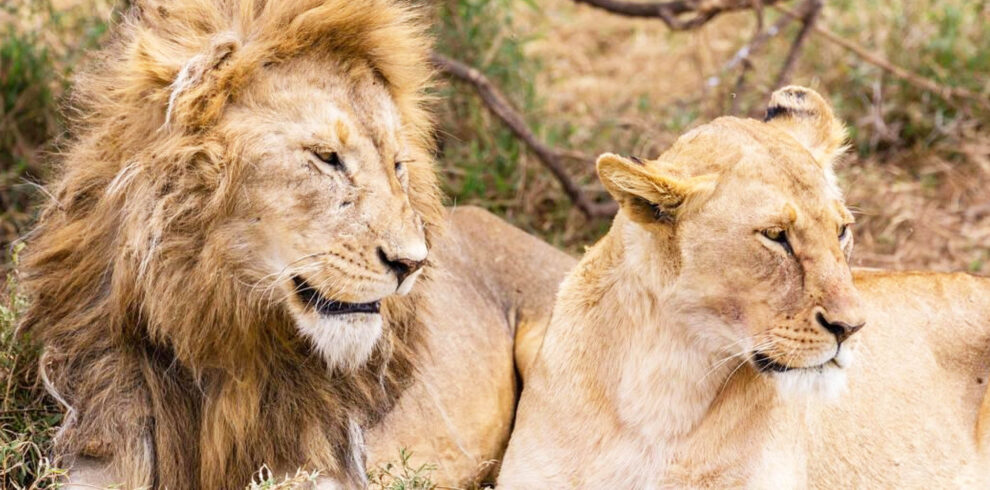
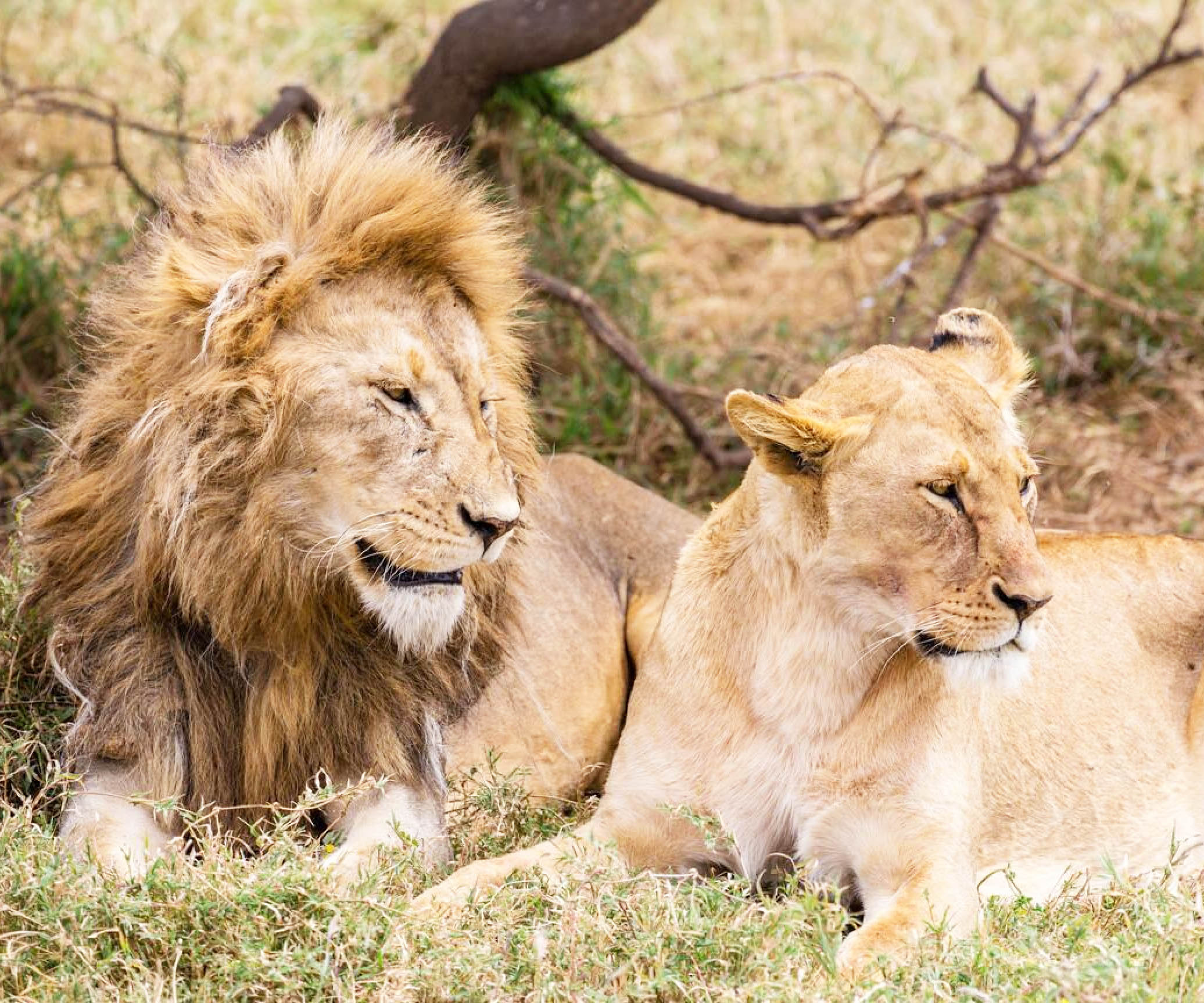
- Highlights: Search for leopards draped in sausage trees along the Seronera River and lion prides lounging on ancient granite kopjes. The year-round water supply here ensures incredible wildlife action even outside migration months.
Travel north toward the remote Kogatende region, the dramatic stage for the Great Migration.
- The Transition: As you move toward the Mara River, the landscape shifts into rugged, rolling hills.
- Migration Tracking: Begin tracking the "Mega Herds"—over a million wildebeest and zebras that gather here from July to October. Witness the immense scale of the migration as the plains turn black with movement.
A dedicated day for the ultimate wildlife "bucket list" moment.
- The River Crossing: Position yourself along the banks of the Mara River. With patience and luck, you will witness thousands of wildebeest plunge into the water, braving the powerful currents and massive Nile crocodiles to reach the greener pastures of the Masai Mara.
- High-Action Wildlife: The concentration of animals attracts the Serengeti’s most active predators. Expect sightings of lions, cheetahs, and vultures scavenging near the riverbanks.
Take a morning flight from Kogatende back toward the highlands for a descent into the Ngorongoro Crater.
- The Descent: Drop 600 meters into this prehistoric volcanic caldera, a self-contained ecosystem teeming with 30,000 animals.
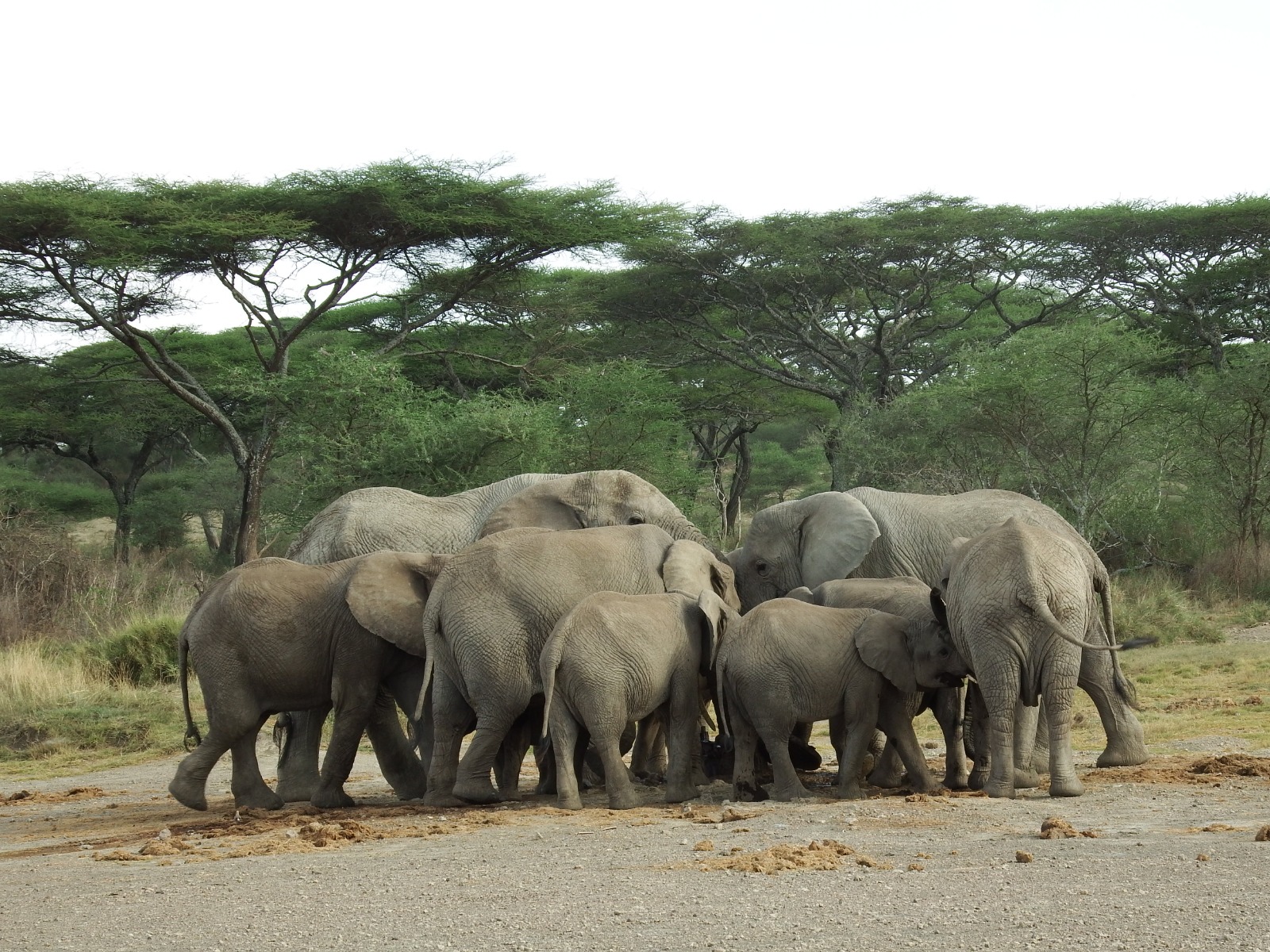
- The Big Five: This is the premier location to spot the endangered Black Rhino. Within a few hours, you can often check off the entire Big Five (Lion, Leopard, Elephant, Buffalo, and Rhino).
- Evening: Return to Arusha or a lodge on the crater rim for a final celebratory dinner.
Before your flight home, immerse yourself in the vibrant colors and sounds of the Arusha Maasai Market.
- Souvenir Shopping: This is the best place to find authentic Tanzanian handicrafts. Browse over 100 stalls for intricate beadwork, wood carvings, Tanzanite gemstones, and colorful "Kangas" (traditional clothing).
- Departure: After a final lunch and some light-hearted bargaining at the market, your driver will transfer you to Kilimanjaro International Airport (JRO) for your departure.
Included/Exclude
The Cost Includes
- All Accommodation and Meals as Specified on the Itinerary
- 4x4 Specialized Pop Up Roof Land Cruiser
- Water, Coffee and Tea on Safari
- Professional English Speaking Guide
- Airport Transfer
- All Park Fees and Activities as per Itinerary
- Game Drive Inside The Ngorongoro Crater
- Itinerary is quoted in USD per person Sharing
The Cost Excludes
- Flight from Kogatende Airstrip to Arusha Airport (ARK)
- All Entry Visa
- Travel Insurance
- Tips and Gratitudes
- Any Sight seeing not on the itinerary
- Laundry
- Optional Activities
- Any Item of Personal Nature
- Anything not specified in the itinerary
- International Flights
Tour Plan
To see the Mara River crossings (as described in your Day 8), you should travel between July and October. If you want to see the calving season in the south, January to March is best.
Yes, but it is best for children aged 6 and up. The drives can be long, but the high density of animals in the Serengeti and Ngorongoro usually keeps younger travelers engaged and excited.
It saves you roughly 8 to 10 hours of driving over bumpy roads. The flight takes only about 90 minutes and offers incredible aerial views of the Great Rift Valley and the Serengeti plains.
Yes. This itinerary covers the Ngorongoro Crater, which is the best place in East Africa to see the rare Black Rhino, completing the set alongside Lion, Leopard, Elephant, and Buffalo.
You will typically travel in a 4×4 Safari Jeep (Land Cruiser) with a pop-up roof for 360-degree wildlife viewing, equipped with a fridge for cold drinks and charging sockets for your cameras.
Most nationalities require a visa. You can obtain an e-Visa online in advance or purchase one “on arrival” at Kilimanjaro International Airport (JRO) for approximately $50 (USD), though $100 for US citizens.
Tanzania is a malaria-endemic country. We recommend consulting your doctor about profilactic medication. Using repellent and wearing long sleeves during the evenings in Karatu and Serengeti is advised.
Pack lightweight, neutral-colored clothing (khaki, beige, green). Avoid dark blue or black as they attract tsetse flies. Bring a warm jacket for early morning game drives in the Ngorongoro Crater, where temperatures can be chilly.
Yes, most 10-day safaris are full-board, including breakfast, picnic lunches during game drives, and multi-course dinners at your lodges or tented camps.
Tipping is a standard practice in the Tanzanian safari industry. A general guideline is $20 to $30 USD per vehicle, per day, usually presented at the end of the safari.