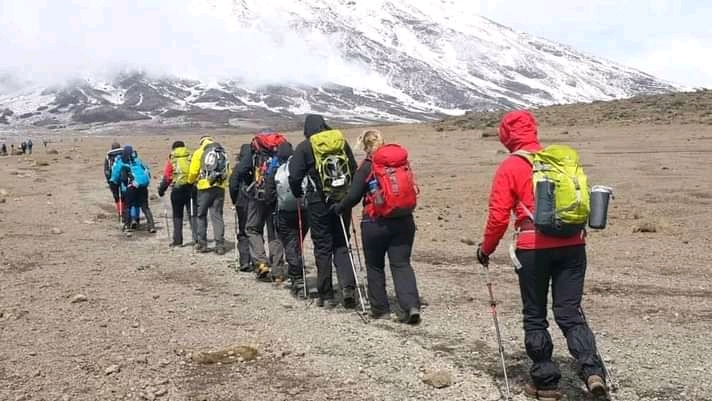
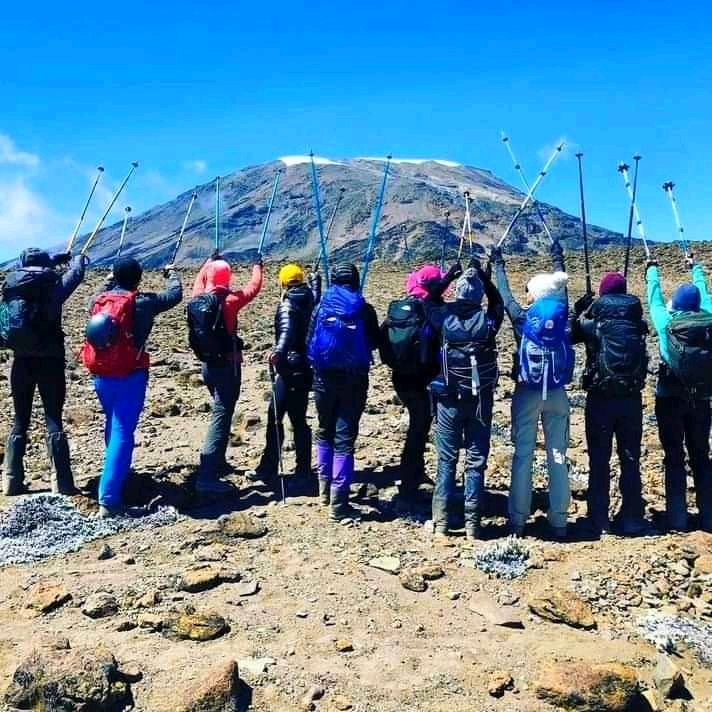
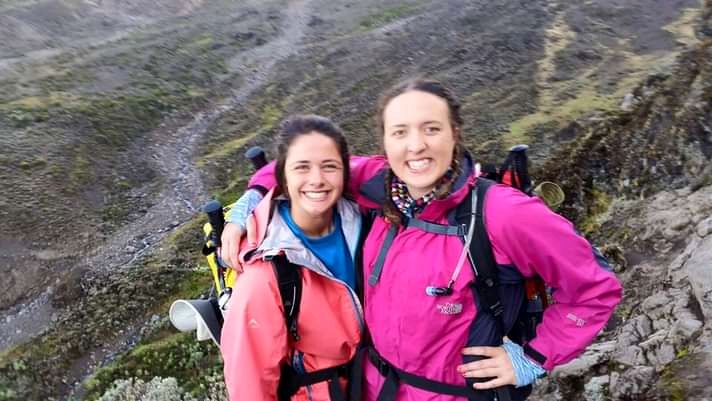
About This Tour
The 5 Days Umbwe Route is the steepest, shortest, and most challenging route to climb Mount Kilimanjaro. Known as the most direct path to the summit, Umbwe is best suited for experienced, very fit trekkers who are confident at high altitude and seeking a demanding adventure. Due to limited acclimatization time, this route has a lower summit success rate compared to longer itineraries.
Trip Highlights
- Climb Mount Kilimanjaro, Africa’s highest peak
- Trek through diverse landscapes from rainforest to alpine desert
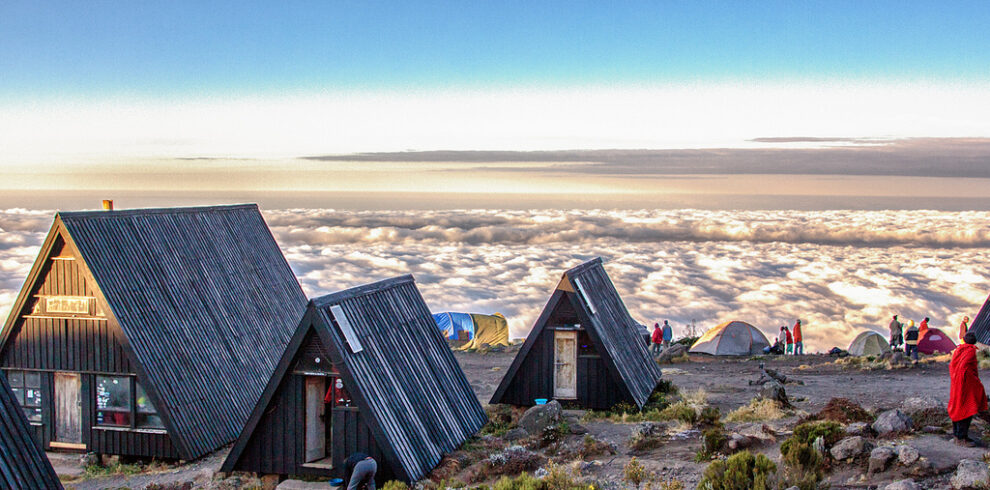
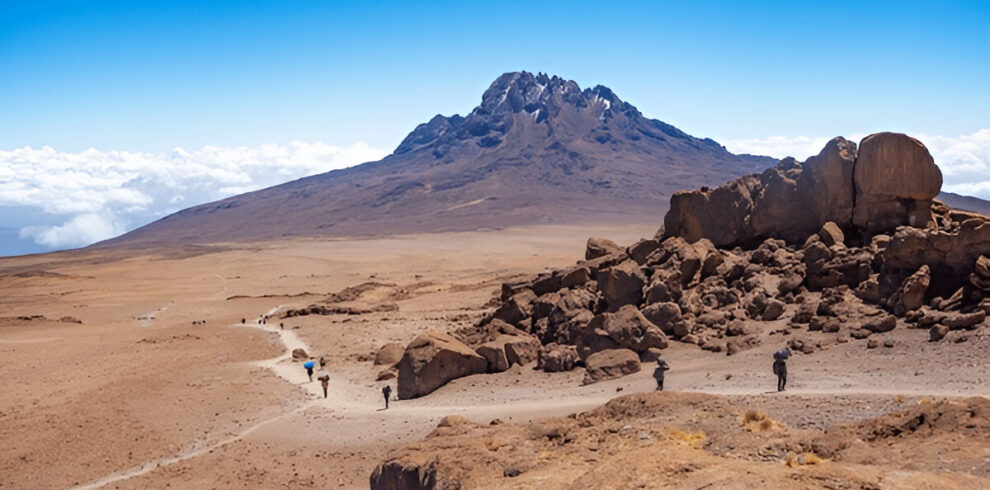
- Enjoy spectacular views of Mawenzi Peak from Horombo Hut
- -Early-morning summit attempt with a breathtaking sunrise at Uhuru Peak
- Professional mountain guides ensuring safety and support
Itinerary
The 7 Days Rongai Route is one of the best-balanced and least crowded routes to climb Mount Kilimanjaro. Approaching the mountain from the remote northern side near the Kenya border, this route offers a gentle ascent, excellent acclimatization, and drier conditions, making it ideal for climbers seeking comfort, solitude, and a higher summit success rate than the 6-day option.
Distance: ~10 km
Hiking Time: 5–7 hours
Altitude: 1,600 m → 2,850 m
Begin at Umbwe Gate and immediately ascend steeply through dense rainforest. The trail is narrow and less traveled, offering a true wilderness feel. Expect a physically demanding climb from the first day.
Overnight: Umbwe Camp (tented)
- Distance: ~6 km
- Hiking Time: 4–6 hours
- Altitude: 2,850 m → 3,960 m
Continue climbing steep ridges with dramatic views of deep valleys and towering cliffs. The route gradually opens into the alpine zone before joining the Machame Route at Barranco Camp.
Overnight: Barranco Camp
- Distance: ~5 km
- Hiking Time: 4–5 hours
- Altitude: 3,960 m → 4,035 m
Start the day with the famous Barranco Wall, a steep but non-technical scramble offering incredible views. Afterward, cross alpine ridges and valleys to Karanga Camp.
Overnight: Karanga Camp
- Distance: ~4 km
- Hiking Time: 3–4 hours
- Altitude: 4,035 m → 4,673 m
A short but steep ascent to Barafu Camp, the base for the summit attempt. Spend the afternoon resting, hydrating, and preparing for the midnight climb.
Overnight: Barafu Camp
- Distance: ~17 km total
- Hiking Time: 12–15 hours
- Altitude: 4,673 m → 5,895 m → 1,640 m
Begin the summit attempt around midnight. Climb past Stella Point to Uhuru Peak, the highest point in Africa. Celebrate at sunrise before descending via the Mweka Route through alpine desert and rainforest to Mweka Gate for certificates and transfer.
Included/Exclude
The Cost Includes
- Park entry, camping/hut, rescue, and conservation fees for Mount Kilimanjaro
- Professional, licensed mountain guides
- Dedicated porters and cook
- Accommodation in mountain huts (Mandara, Horombo & Kibo Huts)
- All meals on the mountain (breakfast, lunch, dinner)
- Drinking water on the mountain (treated and filtered)
- Kilimanjaro International Airport or Moshi/Arusha hotel transfers
- Pre-climb briefing and equipment check
- Fair wages and ethical porter treatment (KPAP compliant, where applicable)
- All government taxes and service charges
The Cost Excludes
- International and domestic flights
- Tanzania visa fees
- Travel and high-altitude medical insurance
- Personal climbing gear (sleeping bag, trekking poles, clothing, etc.)
- Tips and gratuities for guides, porters, and cook
- Snacks, energy bars, and personal beverages
- Personal expenses (laundry, souvenirs, phone calls)
- Hotel accommodation before and after the climb (unless stated)
- Any services not specifically mentioned under Tour Includes
Tour Plan
The Rongai Route approaches Mount Kilimanjaro from the quiet northern side near the Kenya border, offering fewer crowds, gentler slopes, and drier conditions than other routes.
Yes. Its gradual ascent makes it suitable for fit beginners, though good physical preparation is still essential due to the high altitude.
It is considered moderate. While summit night is challenging, the overall trail is less steep than Machame or Lemosho.
The success rate is good, especially for climbers who are well-prepared and follow guide instructions. Adding an extra acclimatization day can further improve success.
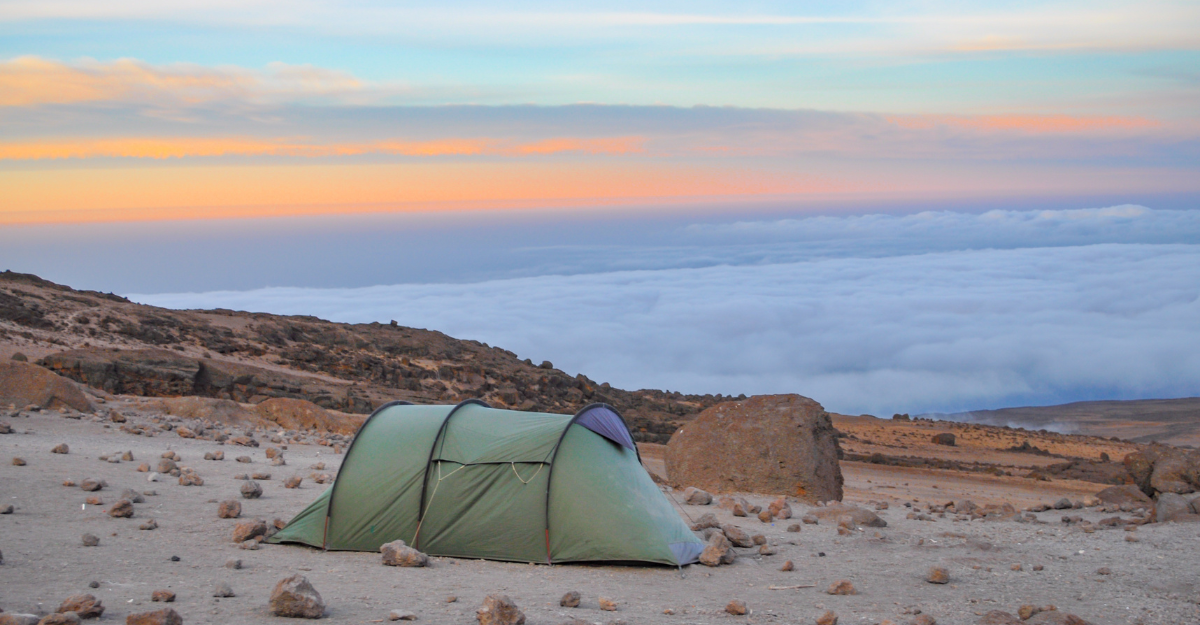
Accommodation is in tents at designated camps, with one night at Kibo Hut before the summit attempt.
Yes. It is one of the best routes during rainy months (April–May and November) due to its drier climate.
No. The Rongai Route is a trekking route, and no technical mountaineering skills are required.
Temperatures can drop to -10°C to -15°C near the summit, so proper cold-weather gear is essential.